
Origins
Boxing-like contests developed in different cultures as displays of skill, strength and endurance. Exact origins are debated by historians; what is clearer is that striking contests long predate modern professional boxing.
Boxing History
Boxing has deep roots in athletic contests and public spectacle. Over time, informal fighting gave way to clearer rules, protective equipment, weight divisions and organized competition. This page outlines major historical themes without treating any single timeline as complete or definitive.
Use the sections below to explore origins, ancient boxing, bare-knuckle practice, the Queensberry Rules framework, glove development, amateur and professional growth, twentieth-century change and modern boxing. Related pages cover legendary careers, famous fights, weight classes and rules.
Boxing Legacy is an independent informational site. Details can vary by era, place and governing body. Suggest a topic through the contact form if you want a theme expanded carefully.
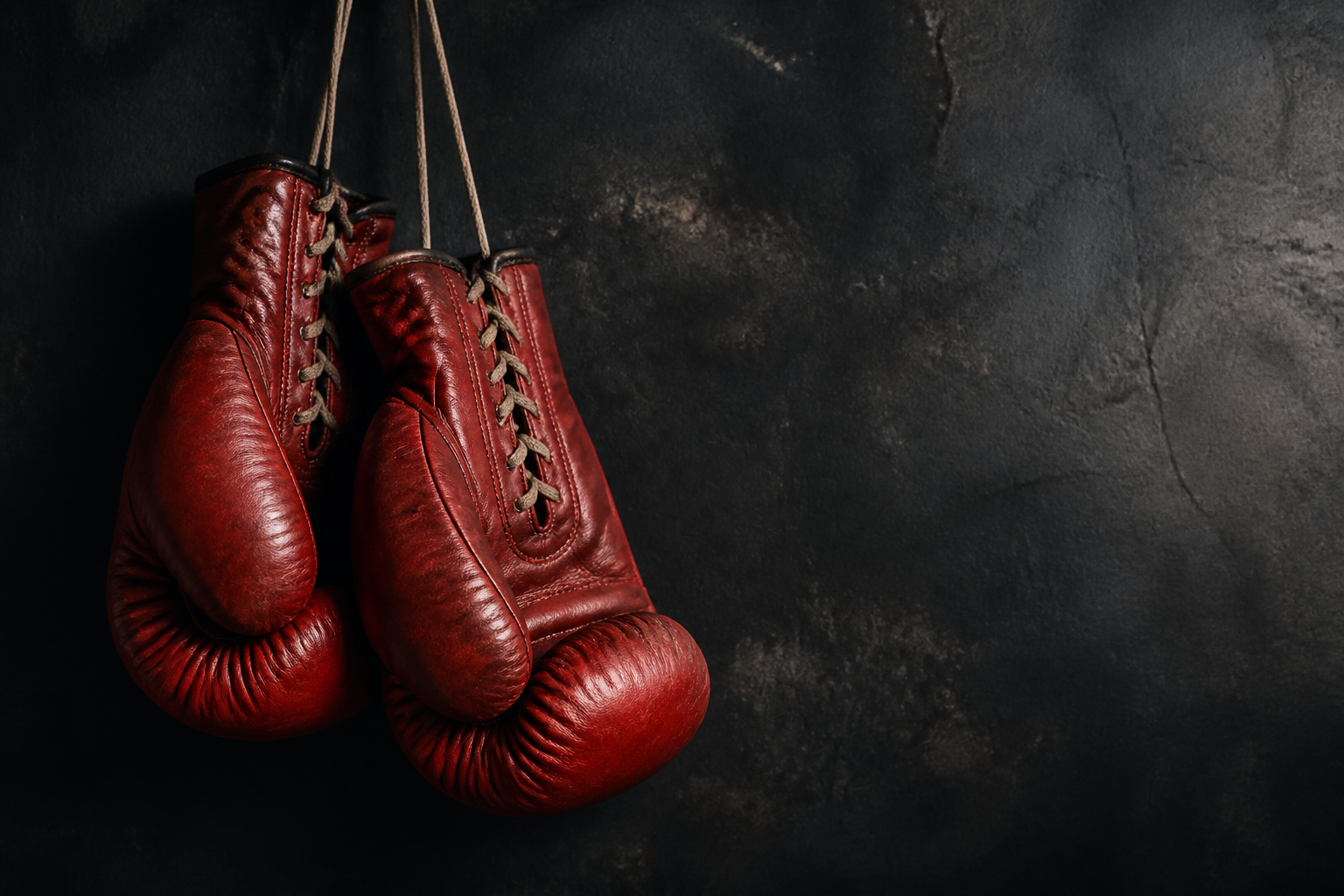
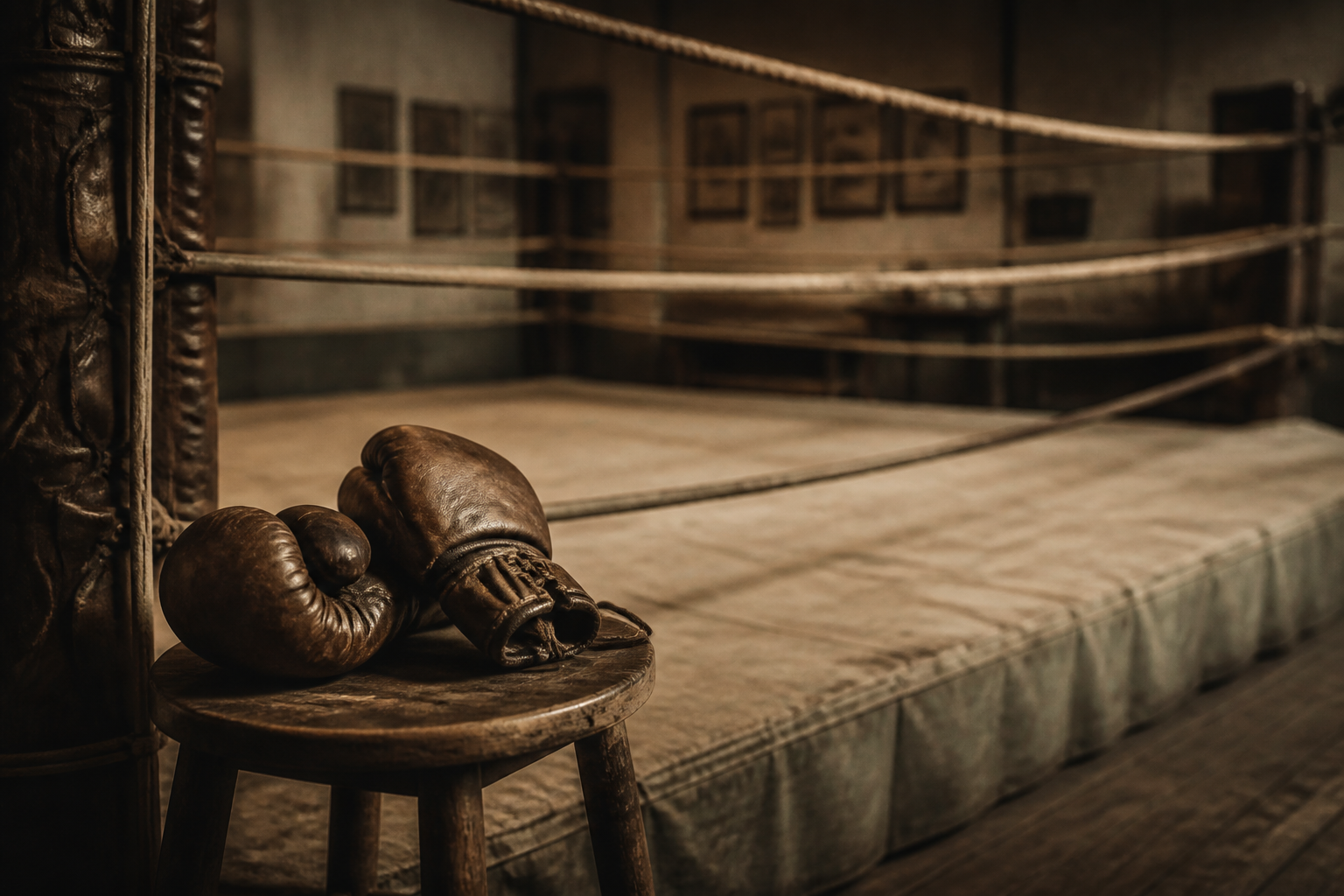
This page is a general history overview. It does not invent fight results, championship claims or exact event calendars. Images are illustrative and may not match any specific era or venue.
Early boxing-related contests appear in ancient athletic culture and later in popular public fights. As audiences and organizers sought fairness and safety, written codes, timed rounds and equipment standards became more common.
The long shift from bare-knuckle practice toward gloved boxing under clearer rules helped shape the sport recognized today in amateur and professional formats.
Boxing-like contests developed in different cultures as displays of skill, strength and endurance. Exact origins are debated by historians; what is clearer is that striking contests long predate modern professional boxing.

Ancient Mediterranean athletics included boxing events with their own customs, equipment and social meaning. Those contests differ from modern boxing in rules and context, yet they remain an important part of the sport's deep historical background.

In later centuries, bare-knuckle prizefighting drew large public interest. Matches often followed local customs rather than a single universal code. The era is remembered for endurance, rough conditions and gradual pressure for clearer regulation.

The Queensberry Rules became a historically important modern rules framework. They helped standardize timed rounds, gloved fighting and other practices that moved boxing toward a more organized competitive form. Local and organizational variations still remained.
Protective gloves changed how fights looked and how athletes trained. Glove design, padding and competition standards evolved with safety concerns, rule codes and organizational requirements. Exact specifications can differ by format.

Boxing expanded through clubs, tournaments, national federations and professional promotions. Amateur pathways and professional careers developed side by side, each with its own competitive structures, eligibility rules and event formats.
Historical accounts can conflict. Records from different eras use different standards for rounds, decisions and championship recognition. Use the points below as a careful reading guide.
The twentieth century saw boxing become a major spectator sport across many regions, with growing media coverage, international competition and more formal championship systems. Training methods, athletic preparation and public presentation also changed.
Modern boxing continues to include amateur and professional pathways, multiple organizations and varied event formats. Rules, weight limits and title recognition can differ by sanctioning body and competition type. For a practical overview of contemporary concepts, see Boxing Rules and Weight Classes.
Images on this site are illustrative. Lighting, equipment and ring settings may not match any particular historical period.
Boxing Legacy does not claim official status with any boxing organization. Content is educational and may be revised as topics are reviewed.
These pages do not invent fighter records, birth dates, fight results or championship claims. For questions or topic suggestions, use the contact form.